What are the keys to Mediterranean diet meal prep?
Mediterranean diet meal prep consists of fruit, healthy fats, lean protein, and plant-based foods like grains and legumes.
These ingredients make for a healthy, well-balanced diet perfect for prepping.
You can just see how delicious Mediterranean food is from it’s fresh vibrant colors and variety of textures.
Whether you’re making meals for the week or planning to freeze meals for the future, we’ve got everything you need to know.
- Step 1: Build Your Mediterranean Shopping List
- Step 2: Batch-Cook Your Grains and Proteins
- Step 3: Prepare Fresh Components and Dressings
- Step 4: Assemble Your 5-Day Meal Containers
- Step 5: How to Maintain Your Mediterranean Prep Routine
Step 1. Build Your Mediterranean Shopping List
Successful Mediterranean meal prep starts before you ever turn on the stove.
The right ingredients — chosen with a full 5-day cycle in mind — are what separate a productive prep session from a midweek scramble for takeout.
Don’t forget to checkout our guide for a more general overview of how to meal prep.
Plant-based foods like whole grains, legumes, leafy greens, nuts, seeds, and extra virgin olive oil form the foundation of this eating pattern, and your cart should reflect that hierarchy from the start.
Organize your list into three categories before you shop:
Produce
- Leafy greens: spinach, arugula, romaine
- Crisp, shelf-stable vegetables: cucumbers, cherry tomatoes, bell peppers
- Avocados (add mid-week to avoid browning)
Pantry
- Extra virgin olive oil and canned chickpeas
- Walnuts, kalamata olives
- Farro, quinoa, arborio, couscous,
- Dried herbs: oregano, thyme, and za’atar
Protein
- Canned or dried lentils and white beans
- Chicken breast or canned sardines as lean animal-protein options
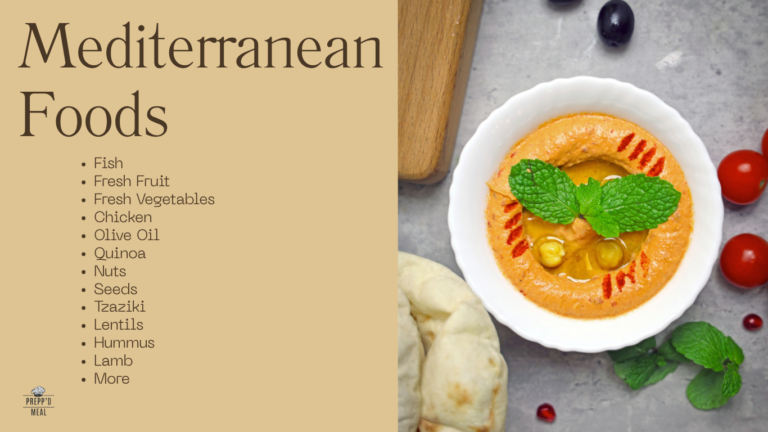
- Hummus as a ready-to-go plant-based protein anchor
- Feta cheese
Tip: Navigate the store’s perimeter first. Processed snack aisles create takeout temptation even when you are grocery shopping with good intentions — sticking to the outer edges keeps your cart focused and on-budget.
With your cart loaded strategically, the next step is turning those raw ingredients into a week’s worth of bases and proteins through smart batch cooking.
Step 2: Batch-Cook Your Grains and Proteins
With your shopping list locked in, the next phase is where the real efficiency happens for your Mediterranean diet meal prep strategy.
Understanding how to meal prep a Mediterranean diet for the week means tackling the longest-cooking items first and running multiple tasks at the same time — what practitioners call the “2-hour prep” mindset.
The payoff is significant. Following a Mediterranean diet can lead to a 30% lower risk of heart attack, stroke, and cardiovascular-related death — and consistent meal prep is one of the most reliable ways to stay on the pattern all week long.
- Start your grains first. Bring a large pot of quinoa or farro to a boil, then reduce to a simmer. A single batch of 2–3 cups dry grain yields enough for four to five bowl-based meals throughout the week.
- Season and roast your protein. While grains cook, coat chicken breasts or rinsed chickpeas with olive oil, lemon juice, and dried oregano. Spread on a sheet pan and roast at 400°F for 20–25 minutes.
- Add vegetables to the same sheet pan. Arrange sliced zucchini and red onions around the protein. Everything roasts together, cutting cleanup and active cooking time considerably.
- Portion into containers immediately. Divide grains and proteins into individual storage containers while still warm, so cooling happens quickly and evenly in the refrigerator.
Batch-cooking your foundational ingredients — grains, proteins, and roasted vegetables — in a single 2-hour session means weekday meals require almost no active cooking time at all.
Once these components are stored, you are ready to build out the fresh elements that keep every meal tasting vibrant through Friday — which is exactly what the next step covers.
Step 3: Prepare Fresh Components and Dressings
With your grains and proteins handled, the next layer of effective Mediterranean meal prep recipes for 5 days is building the fresh elements that keep every bowl tasting vibrant rather than repetitive.
The Mediterranean diet may cut women’s CVD and death risk by nearly 25%, and much of that benefit comes from the olive oil, herbs, and vegetables you are about to prepare.
Here is how to do it efficiently.
- Whisk a large-batch Greek vinaigrette. Combine ½ cup extra-virgin olive oil, the juice of two lemons, two minced garlic cloves, and one teaspoon of dried oregano in a wide-mouth jar. Shake vigorously, then taste and adjust seasoning. One batch covers five days of salads and grain bowls.
- Wash and chop hardy greens. Kale and romaine hold up far better than delicate lettuces over a multi-day prep cycle. Dry them thoroughly before storing — excess moisture accelerates wilting.
- Prepare a batch of hummus or tzatziki. Both double as snack dips and protein-rich bowl toppings, adding creaminess without processed ingredients.
- Store dressings separately from greens. Always keep vinaigrette in a sealed jar on the side. Dress only at serving time to prevent soggy salads by day three.
Once these fresh components are prepped and portioned, you are ready to move into the most satisfying stage — assembling your containers for the full five-day week.
Step 4: Assemble Your 5-Day Meal Containers
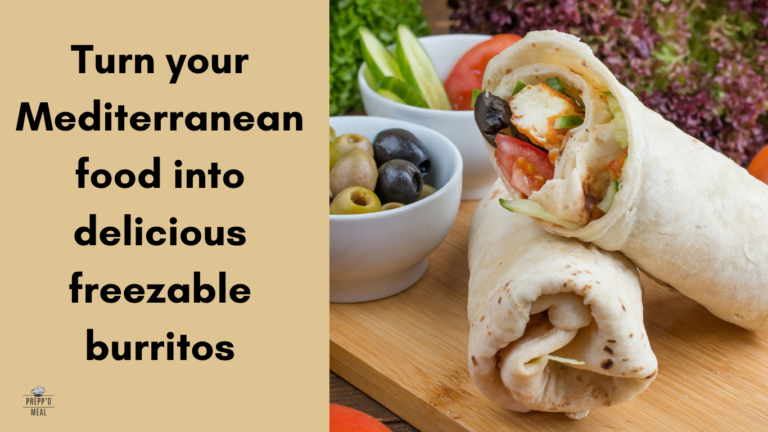
With your grains, proteins, and fresh components ready, the final build phase brings everything together into grab-and-go containers that make the work week nearly effortless.
Assembly done correctly preserves freshness, controls portions, and — for anyone figuring out how to transition from takeout to meal prepping — removes the daily temptation to reach for delivery apps.
As McGill University notes, the Mediterranean diet is a broad lifestyle approach, and that mindset extends to how you package your food, not just what goes inside it.
- Layer grains first. Spoon your cooked farro, quinoa, or brown rice into the bottom of each container. This base absorbs any juices and keeps upper layers from getting soggy.
- Add proteins next. Place roasted chicken, baked salmon, or seasoned chickpeas directly on top of the grain layer, centered for even portioning across all five containers.
- Finish with fresh vegetables on top. Pile chopped cucumbers, cherry tomatoes, or roasted peppers last so they stay crisp and visually appealing when you open the container at lunch.
- Seal in airtight glass containers. Glass preserves flavor and texture far better than plastic, resists staining, and transitions safely from refrigerator to microwave without leaching chemicals into your food.
- Portion snacks separately. Measure single servings of almonds, olives, or Greek yogurt into small containers or bags so processed food never becomes the easier option mid-afternoon.
- Label each container by day. Write Monday through Friday directly on the lid with a dry-erase marker or removable label tape — this eliminates decision fatigue and keeps your eating schedule on track.
Once sealed and labeled, your five containers stack neatly in the refrigerator, ready to pull without a second thought.
Building this habit is the foundation — but sustaining it week after week is a different skill entirely, and that is exactly what the next section addresses.
How to Maintain Your Mediterranean Meal Prep Routine
Sustaining any new habit comes down to one principle: progress beats perfection.
Use these steps to lock in a long-term Mediterranean diet meal prep practice that actually sticks.
- Start small and build momentum — Commit to prepping just three days of meals before attempting a full five-day cycle. Even partial prep eliminates impulsive takeout decisions and reinforces the routine gradually.
- Stock an emergency pantry — Keep your Mediterranean diet shopping list for meal prep anchored by shelf-stable staples: canned chickpeas, white beans, olive-packed tuna, jarred roasted peppers, and whole-grain crackers. These backups rescue any week when fresh prep falls short.
- Treat the transition as a lifestyle shift — Moving away from takeout is not simply a diet swap. Consistent Mediterranean eating patterns are linked to healthy aging and longevity — a long-game commitment worth protecting.
- Graduate your skill level intentionally — Use tiered prep guides to move from basic batch cooking toward more advanced culinary techniques, expanding your recipe range as confidence grows.
- Get the right tools — Having the essential tools for any task makes the job much easier.
The bottom line: Mediterranean meal prep rewards consistency above all.
A stocked pantry, realistic starting goals, and a mindset built for lasting change are what separate a single productive Sunday from a genuinely transformed weekly routine.
Start your next prep session this weekend — your future self will thank you.
What is the Mediterranean Diet?
Mediterranean diet meal prep includes foods you might find in the countries surrounding the Mediterranean Sea.
These countries include, but are not limited to, Greece, Italy, Spain, Turkey, and Egypt.
The diet is characterized by minimally processed foods, fresh seafood, fruit, vegetables, grains, olive oil, and a limited amount of proteins like chicken and eggs.
Health Benefits of the Mediterranean Diet
When it comes to diseases like cancer, cardiovascular disease, and diabetes, the Mediterranean diet has shown to be effective in lowering these risks.
The Mediterranean diet has also been shown to generally keep weight off of those who adhere to it.
Mediterranean food is also a fantastic base for high protein meal prep since there is a good amount of protein naturally.
Mediterranean Meal Prep Recipe
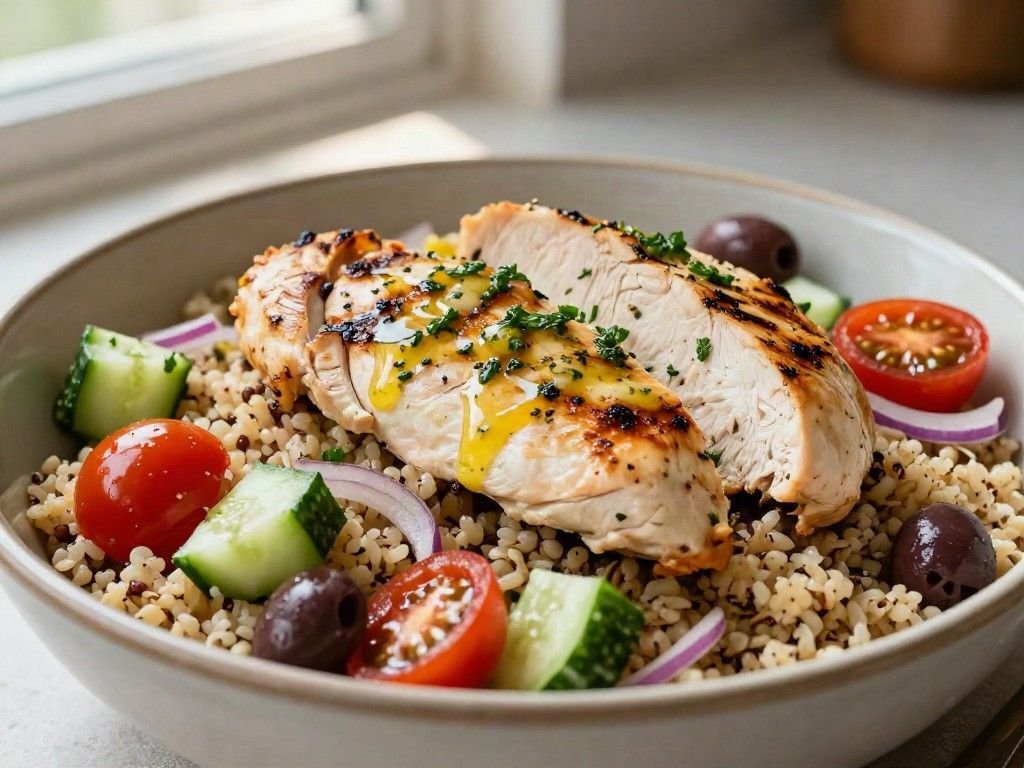
Mediterranean Chicken and Grains
Description
Enjoy the healthy flavors of the Mediterranean throughout the week.
Ingredients
Preparation Instructions
-
1.
Cut the chicken breasts into 1-inch bite-sized cubes.2.
Mince the garlic cloves.3.
Juice the lemons.4.
Rinse the quinoa thoroughly in a fine-mesh sieve.5.
Dice the English cucumber.6.
Halve the cherry tomatoes.7.
Thinly slice the red onion.8.
Pit and halve the kalamata olives.9.
Finely chop the fresh parsley.10.
Grate the mini cucumber and squeeze out excess moisture using a clean towel.
Cooking Instructions
-
In a mixing bowl, combine 2 tablespoons of olive oil, half of the lemon juice, 3 minced garlic cloves, dried oregano, ground cumin, paprika, 1 teaspoon of salt, and ½ teaspoon of black pepper. Add the chicken pieces and toss thoroughly until evenly coated.
2.
Add the rinsed quinoa, water, and ¼ teaspoon of salt to a medium saucepan. Bring to a boil over medium-high heat, then reduce heat to low, cover with a tight-fitting lid, and simmer for ⏱ 15 minutes until the liquid is fully absorbed and the quinoa spirals uncoil. Remove from heat and let rest covered for ⏱ 5 minutes, then fluff with a fork.3.
Heat 1 tablespoon of olive oil in a large skillet over medium-high heat. Add the marinated chicken in a single layer and cook for 6 to ⏱ 8 minutes, turning occasionally, until golden-brown on all sides and the internal temperature reaches 165°F (74°C). Transfer the cooked chicken to a plate to cool slightly.4.
In a separate bowl, prepare the sauce by whisking together the Greek yogurt, grated and squeezed mini cucumber, remaining minced garlic clove, remaining lemon juice, 1 tablespoon of olive oil, dried dill, remaining ¼ teaspoon of salt, and remaining ¼ teaspoon of black pepper until smooth and creamy.5.
To assemble for meal prep, divide the fluffed quinoa evenly among four airtight meal prep containers. Arrange equal portions of the cooked chicken, diced English cucumber, halved cherry tomatoes, sliced red onion, and kalamata olives over the grain base. Sprinkle the crumbled feta cheese and chopped fresh parsley over top, and portion the sauce into four small separate dressing containers to keep ingredients fresh until serving.
FAQ
Frequently asked questions about the Mediterranean diet